What are college cotton pliers used for?
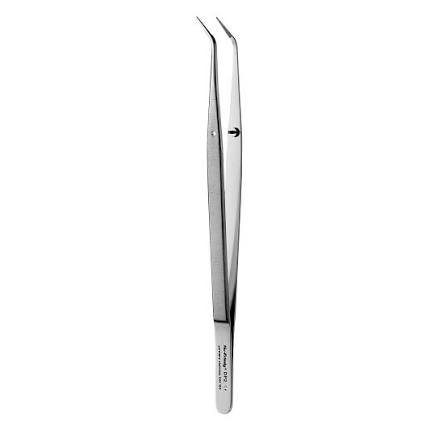
They are used to pick up, carry and place cotton rolls, cotton pellets, gauze and other small items in or out of the mouth. Some suppliers also describe using them to carry liquid medication between the closed beaks.
Are college pliers the same as cotton pliers or dressing forceps?
Yes, in most catalogues these names describe the same instrument. You will see college cotton pliers, college pliers, cotton pliers, and dressing pliers or dressing forceps used interchangeably, so a drawing or sample is the safest reference.
What size are college cotton pliers?
The common size is 6 inches (about 150 mm). Other lengths can be quoted against your drawing or sample.
What is the difference between locking and non-locking college pliers?
A locking (self-locking) pair has a catch that holds the beaks closed, so the material stays gripped without continuous hand pressure. A non-locking pair relies on the hand to keep hold. State which you need in your request.
Why do college cotton pliers have serrated tips?
The fine serrations give the tips a firmer grip on cotton rolls, pellets, gauze and other small items. Tip length and serration pattern can differ between catalogues.
Are the tips angled or straight?
The standard college pattern has angled tips. If you need a different angle or a straight tip, send a drawing or sample.
What material are the pliers made from?
They are made from stainless steel. The exact grade and surface finish are agreed with each order, so state your requirement in the request.
Are college cotton pliers reusable?
Metal college pliers are normally reusable hand instruments that the dental practice cleans and sterilises between patients. The supply condition is stated in the quotation.
Can I order in bulk, OEM or private label?
Yes. We quote bulk quantities and can add your marking and packaging on approved specifications. OEM requests are reviewed against your approved sample or drawing.
What should I send to get a quotation?
Send the length, locking or non-locking, tip style, material, finish, quantity and your branding and packaging requirements. A photo or sample of the pliers you currently buy helps.