Direct manufacturer   ·   OEM • Private Label • Custom Design   ·   B2B supply for dental instruments
Dental Instrument · Diagnostic Examination

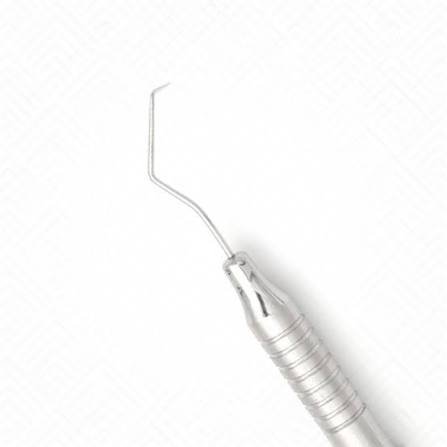
Dental Explorer

Single-ended and double-ended dental explorers in the common numbered patterns, for examining tooth surfaces, calculus and restoration margins. Made for distributors, importers, dental suppliers and private-label brands, to your drawing, reference sample or catalogue pattern, in bulk or under your own label.

B2B · OEM · PRIVATE LABEL · BULK DENTAL INSTRUMENTS

Fine Sharp TipThin, flexible tip tapering to a point
Common Patterns17/23, 11/12 ODU, #23 and cowhorn 3CH
OEM ReadyPrivate-label marking and packaging
ManufacturerDirect dental instrument source
Product overview

Dental explorers for tactile examination of teeth.

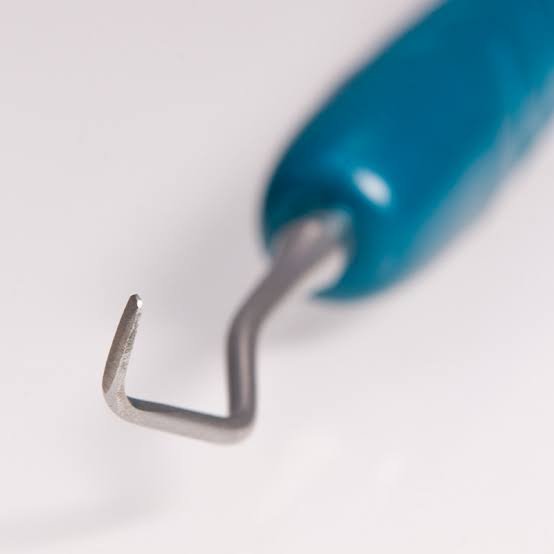
A dental explorer is a hand instrument with a thin, flexible tip that tapers to a sharp point. It is used to examine teeth for decay, calculus and other abnormalities, and to check restorations. Explorers are made as single-ended and double-ended instruments in many numbered patterns. Unlike a periodontal probe, an explorer is not a graduated measuring instrument.

Pattern names overlap between catalogues. The double-ended 17/23 pairs a #17 end, used for subgingival calculus detection, with a #23 shepherd's hook. Many catalogues list the same instrument as a double-ended #5. The 11/12 is the Old Dominion University (ODU) pattern, and the 3CH is a cowhorn. We quote from your drawing, reference piece or catalogue number and not from the name alone.

Thin tapered tipFlexible, with a sharp point for tactile work.
Single or double-endedTwo different tips on one handle, or one tip.
Common numbered patterns17/23, #5, 11/12, #23, 3CH and others.
Bulk and OEM supplyFor distributor ranges, tender lists and private-label packs.

Technical Specification

Confirmed in writing against your drawing or sample before production.

ProductDental explorer
Also listed asDental diagnostic explorer, dental examination explorer, double-ended explorer
Instrument typeDental hand instrument for tactile examination
Working endThin tapered tip with a sharp point; shape set by the pattern
EndsSingle-ended or double-ended, per pattern
Pattern examples17/23 (also listed as #5), #23, 11/12 ODU, 3CH cowhorn, 2 pigtail
Tip length and angleConfirmed from your drawing or reference piece
HandleDiameter and grip style confirmed from your reference
Overall lengthConfirmed from your drawing or reference piece
MaterialStainless steel; grade confirmed in the agreed specification
FinishTo be agreed, for example satin or polished
Supply conditionSterile or non-sterile, as agreed in the quotation
Packaging and markingBulk, standard or buyer-branded; logo or reference marking by agreement
Patterns are listed as examples of common catalogue patterns. Tip length, angle and handle differ between makers, so send a drawing or reference piece and the dimensions are confirmed before production.
Explorer pattern guide

Common dental explorer patterns and what they are called.

The same instrument often carries more than one name. Use the table as a starting point for your enquiry, not as a clinical reference.

What to include in an enquiry

These details let us quote without back-and-forth:

  • Pattern name or number, and the catalogue it comes from
  • Single-ended or double-ended
  • Tip length and angle, if known
  • Handle diameter and grip style
  • Overall length
  • Material and finish
  • Quantity per pattern, and packaging format
  • Logo, marking or private-label requirements
Tip: send a photograph of both tips next to a ruler, or the piece you use now. Tip curve and shank angle are the details most often lost between catalogue names.

Explorer patterns

PatternEndsNote
17/23 (also #5)Double#17 end for subgingival calculus, #23 shepherd's hook
#23SingleShepherd's hook
11/12 (ODU)DoubleCalculus detection in deep pockets, especially interproximal
3CHDoubleCowhorn
2SinglePigtail
A double-ended #5 and a 17/23 are the same pairing sold under two names. Numbers are maker-specific, so match by drawing or reference piece.
Applications

Where explorers fit in an examination set.

Explorers sit in the basic dental examination set next to a mirror and probe, and in hygiene kits.

01 · TOOTH SURFACES

Surfaces and restorations

The fine tip is used to feel tooth surfaces, pits and fissures, and the margins of restorations.

02 · CALCULUS

Calculus detection

Patterns such as the 17/23 and 11/12 are used to detect calculus, including below the gumline.

03 · EXAM AND HYGIENE KITS

Explorers in sets

Distributors build kits from an explorer, a periodontal probe, a sickle scaler and curettes.

Instrument comparison

Explorers compared with probes and scalers.

The tip decides the job. Buyers usually stock all three.

InstrumentWorking endTypical use
Dental explorerThin tapered tip with a sharp pointTactile examination of teeth, calculus and restorations
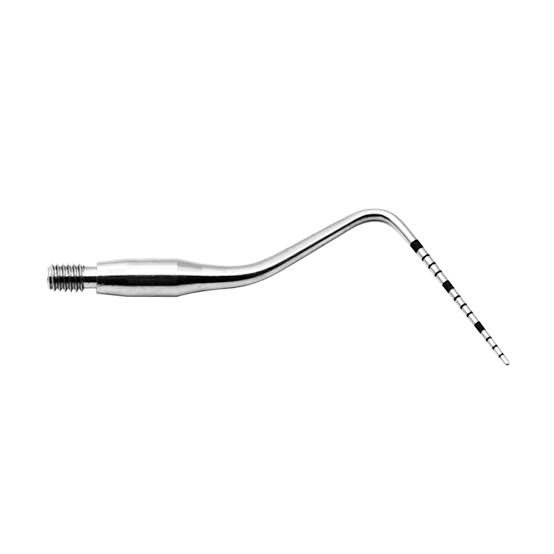
Periodontal probeGraduated markingsMeasuring pocket depth
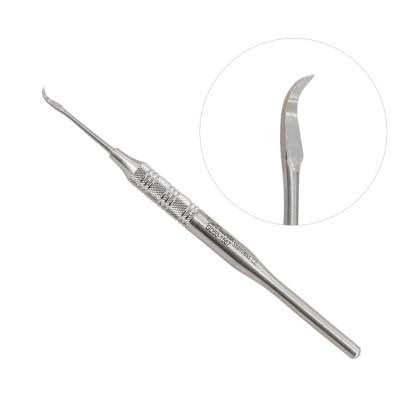
Sickle scalerPointed triangular bladeRemoving supragingival calculus

Tip shapes, sizes and numbering vary by manufacturer and catalogue. Use your approved drawing or sample as the final reference.

Manufacturer & supply

Dental explorers made for B2B buyers.

Iron Art makes and supplies dental and surgical instruments for buyers who want a defined specification, a sample to approve and repeatable supply. See our OEM and private-label services for how programmes are set up.

Direct source

From reference sample to approved production.

Send the pattern number, a drawing or a reference piece, and the quantities you expect to order. We check it against your requirements, confirm dimensions, finish and packaging, and agree a sample before production begins.

  • Single and double-ended explorers to your reference
  • Bulk supply for distributors and importers
  • OEM manufacturing to your drawing
  • Private-label marking and packaging
  • Single patterns or complete examination sets
Checking a sample

What to inspect when a sample arrives.

These points apply whichever supplier you use.

  • Each tip is smooth and tapers cleanly to a point
  • Tips are straight or curved as the drawing shows, with no kinks
  • Both ends of a double-ended piece match your drawing
  • The tip is firmly seated in the handle
  • Finish is even, with no burrs
B2B workflow

Specification, sample, approval, repeat supply.

A straightforward route for distributors, importers and private-label buyers sourcing dental explorers.

01 · SPECIFY

Send your brief

Pattern number or reference piece, quantities, finish and packaging.

02 · QUOTE

Review and quotation

Specification confirmed in writing, with any OEM or marking options priced.

03 · APPROVE

Sample

Inspect a sample against your reference before production is released.

04 · SUPPLY

Repeat orders

Reorders follow the approved specification, including private-label packs.

Buyer FAQ

Dental explorers: questions buyers ask.

Short answers on patterns, tips, materials and supply.

What is a dental explorer?

It is a hand instrument with a thin, flexible tip that tapers to a sharp point, made in single-ended and double-ended patterns. It is used to examine teeth for decay, calculus and other abnormalities, and to check restorations.

What is a dental explorer used for?

It is used for tactile examination of tooth surfaces, pits and fissures, restoration margins and calculus. Which pattern suits which task depends on the tip shape.

What is the difference between a #5 and a 17/23 explorer?

None in most catalogues. Both names describe a double-ended instrument with a #17 end for subgingival calculus detection and a #23 shepherd's hook. Some makers use one name, some the other.

What is an 11/12 ODU explorer?

It is the Old Dominion University pattern, a double-ended explorer used for calculus detection in deep pockets, especially on interproximal surfaces.

What are the 3CH and pigtail explorers?

They are explorers with curved tips. The 3CH is a cowhorn pattern, and the 2 is a pigtail. Check the tip shape against a drawing before ordering.

What is the difference between an explorer and a periodontal probe?

An explorer has a sharp tapered tip for feel. A periodontal probe carries graduated markings and is used to measure pocket depth.

Are explorers reusable, and what are they made of?

Stainless steel explorers are generally intended for repeated use, with cleaning and sterilisation following the buyer's validated routine. Sterile single-use explorers also exist, so state which supply condition you need. The exact steel grade and finish are confirmed in your specification.

Can you make them to my drawing or sample?

Yes. Send a drawing, photograph or reference piece. Tip length and angle, handle, length and finish are confirmed in writing before production.

Do you supply bulk, OEM and private-label orders?

Yes. Marking, reference numbers and packaging can be agreed per programme, and quantities are discussed per order.

What should I include in a quotation request?

Pattern name or number, single or double-ended, handle style, length, material and finish, quantity, packaging and marking. A photograph of both tips speeds things up.

Related dental instruments

Other examination and periodontal instruments.

Instruments that go with explorers in an examination or hygiene kit. Browse all dental instruments.

Periodontal probe
Diagnostic

Periodontal Probe

Graduated probe for pocket measurement.

View probe →
Dental sickle scaler
Periodontal

Dental Sickle Scaler

Pointed scaler for supragingival calculus.

View scaler →
Universal curette, side view
Periodontal

Universal Curette

General-purpose curette for periodontal scaling.

View curette →
Gracey curette
Periodontal

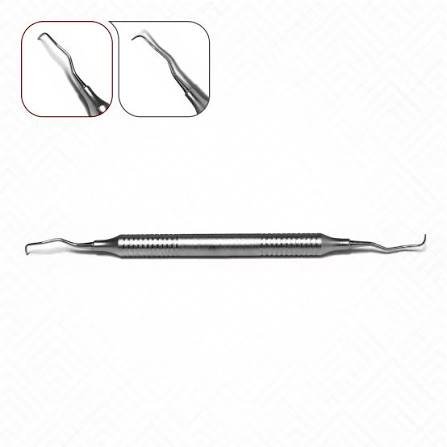
Gracey Curette

Area-specific curette for subgingival scaling.

View curette →

Match images and specifications to the exact approved instrument. Contact Iron Art for dimensions, finish, packaging and OEM requirements.

Need a quotation for dental explorers?

Tell us the pattern, single or double-ended, quantity and packaging. A drawing, photograph or reference piece will speed things up.

Request Quote →