What is a Cryer root elevator used for?
It is used to loosen or remove roots, root fragments or teeth from the bony socket. The small angled triangular tip is made to work in beside the root.

Left and right Cryer root elevators for loosening roots and removing root fragments from the socket. Made for distributors, importers, dental suppliers and private-label brands, to your drawing, reference sample or catalogue pattern, in bulk or under your own label.
B2B · OEM · PRIVATE LABEL · CUSTOM PACKAGING
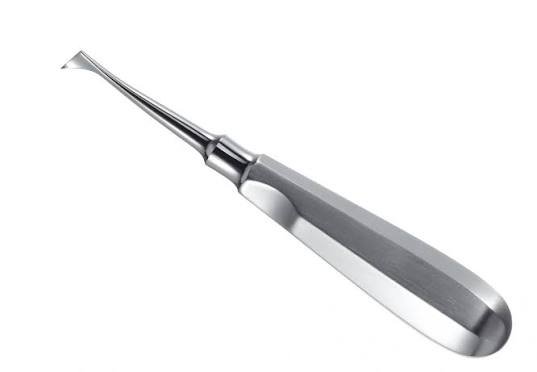
A Cryer elevator is a hand instrument with a small angled, triangular-shaped tip, used to loosen or remove roots, root fragments or teeth from the bony socket. It is made in a left and a right form, and the two are often used as a pair, one for each side of a root.
Catalogue numbers for Cryer elevators differ between makers, so we quote from your drawing, reference piece or catalogue number and not from the name alone. Cryer is also a different pattern from Winter cross-bar and Potts elevators, although marketplace listings sometimes mix the names. Cryer elevators are normally used alongside dental extraction forceps, including root forceps.
Confirmed in writing against your drawing or sample before production.
| Product | Cryer root elevator |
|---|---|
| Also listed as | Cryer elevator, Cryer dental elevator, left and right Cryer elevators |
| Instrument type | Dental hand elevator for root and root-fragment removal |
| Tip | Small angled triangular tip; exact profile from your reference |
| Orientation | Left and right; singly or as a pair |
| Catalogue numbers | Vary by maker (for example 44 and 45, or 31 and 32, in different catalogues) |
| Tip size | Confirmed from your drawing or reference piece |
| Handle | Confirmed from your drawing or reference piece |
| Overall length | Confirmed from your drawing or reference piece |
| Material | Stainless steel; grade confirmed in the agreed specification |
| Finish | To be agreed, for example satin or polished |
| Supply condition | Sterile or non-sterile, as agreed in the quotation |
| Packaging and marking | Bulk, standard or buyer-branded; logo or reference marking by agreement |
The tip orientation is the main specification point. Use the table as a starting point for your enquiry, not as a clinical reference.
These details let us quote without back-and-forth:
| Option | What it is | Specify |
|---|---|---|
| Cryer left | Tip angled to one side | Reference piece or number |
| Cryer right | Mirror-image tip | Reference piece or number |
| Left and right pair | Both sides, matched in size and finish | Pairs per order |
| Private-label pair | Your marking and packaging | Artwork and pack format |
They are a specialist root instrument, added to extraction trays next to forceps and straight elevators.
The small angled tip is made to work into the socket beside a root and loosen it before removal.
Left and right tips are commonly used as a pair so each side of a root can be reached from the correct angle.
Distributors and kit builders list the Cryer pair alongside straight elevators and forceps. See the adult extraction forceps set.
Each elevator pattern has its own job. Buyers usually stock several rather than one.
| Pattern | Typical use | Note |
|---|---|---|
| Cryer | Root fragments, retained roots | Triangular tip; left and right, often used as a pair |
| Straight root elevator | General luxation and elevation of roots | Single straight form |
| Apexo root elevator | Root tips and fractured roots | Compact, for small fragments |
| Periosteal elevator | Reflecting and separating periosteal tissue | Different job: soft tissue, not roots |
Tip profiles, sizes and numbering vary by manufacturer and catalogue. Use your approved drawing or sample as the final reference.
Iron Art makes and supplies dental and surgical instruments for buyers who want a defined specification, a sample to approve and repeatable supply. See our OEM and private-label services for how programmes are set up.
Send the catalogue number, a drawing or a reference pair, and the quantities you expect to order. We check it against your requirements, confirm dimensions, finish and packaging, and agree a sample before production begins.
These points apply whichever supplier you use.
A straightforward route for distributors, importers and private-label buyers sourcing Cryer root elevators.
Catalogue number or reference pair, left and right quantities, finish and packaging.
Specification confirmed in writing, with any OEM or marking options priced.
Inspect a sample against your reference before production is released.
Reorders follow the approved specification, including private-label packs.
Short answers on left and right tips, patterns, materials and supply.
It is used to loosen or remove roots, root fragments or teeth from the bony socket. The small angled triangular tip is made to work in beside the root.
They are mirror images. The tip is angled to one side on the left elevator and to the other on the right, so each reaches a different side of a root.
Most ranges stock both, because they are often used as a pair for mesial and distal roots. You can order each side separately or as a matched pair.
No. Winter cross-bar and Potts are different patterns, although listings sometimes mix the names. Confirm the pattern from a drawing or reference piece. For other root elevators see the straight and Apexo patterns.
Makers number their own ranges. Some catalogues list the pair as 44 and 45, others as 31 and 32. Match by drawing or reference piece and not by number alone.
Stainless steel is the standard option. The exact grade and surface finish, for example satin or polished, are confirmed in the specification you approve.
Stainless steel elevators are generally intended for repeated use, with cleaning and sterilisation following the buyer's validated routine. Sterile single-use versions also exist in the market, so state which supply condition you need.
Yes. Send a drawing, photograph or reference pair. Tip size, handle form, length and finish are confirmed in writing before production.
Yes. Marking, reference numbers and packaging can be agreed per programme, and quantities are discussed per order.
Left, right or pair, the catalogue number and maker or a reference piece, tip size, length, material and finish, quantity, packaging and marking. A photograph of the tips speeds things up.
Elevators and root forceps that go with Cryer elevators. Browse all dental instruments.
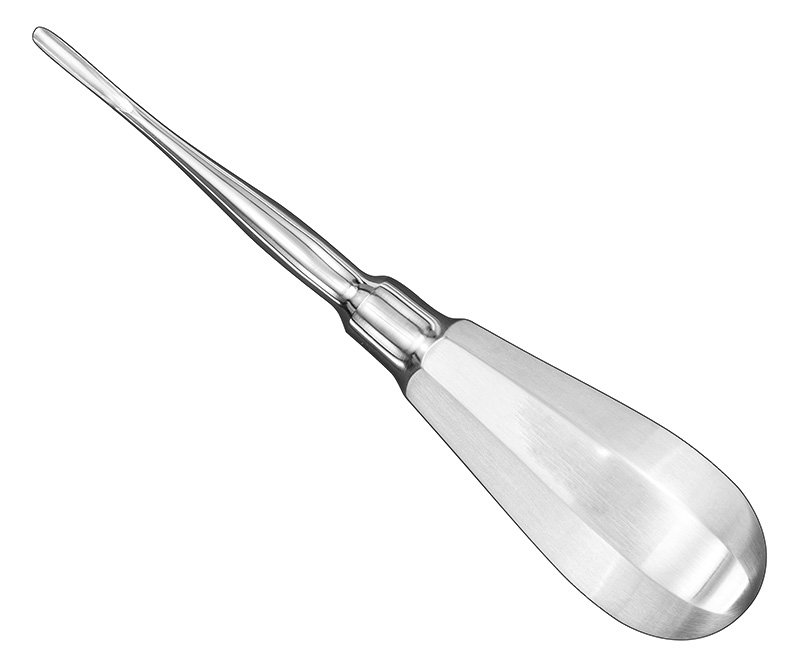
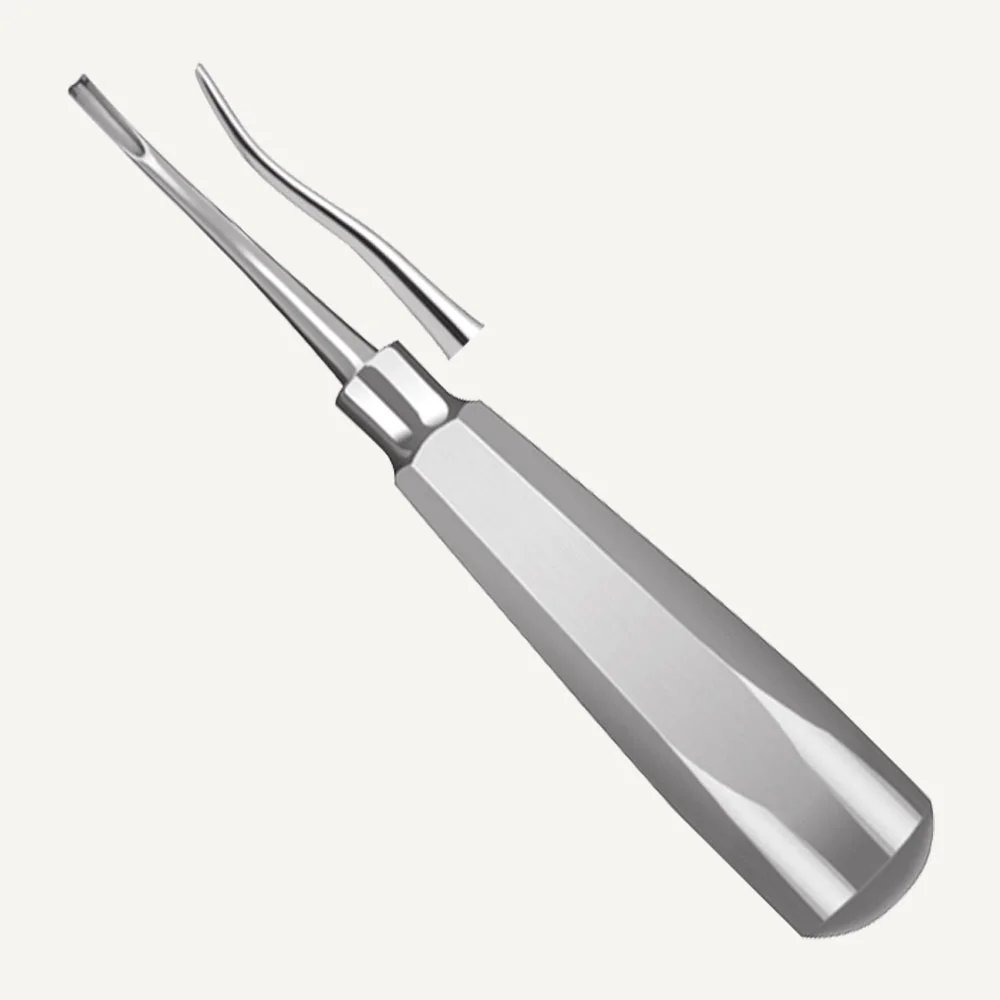
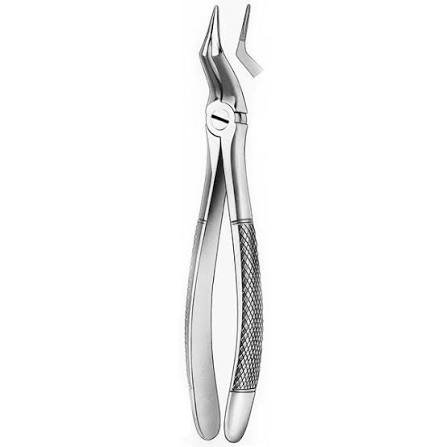
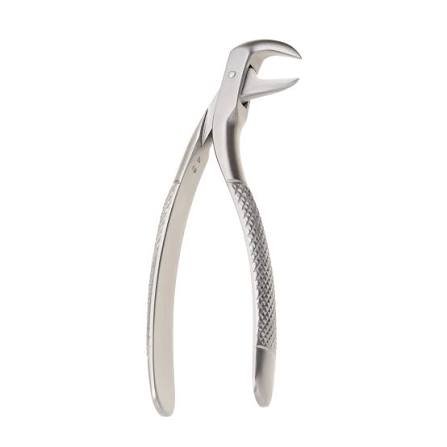
Match images and specifications to the exact approved instrument. Contact Iron Art for dimensions, finish, packaging and OEM requirements.
Tell us whether you need the left, the right or matched pairs, with the catalogue number or reference piece, quantity and packaging. A photograph of the tips will speed things up.