Direct manufacturer   ·   OEM • Private Label • Custom Design   ·   B2B supply for dental instruments
Dental Instrument · Extraction Forceps

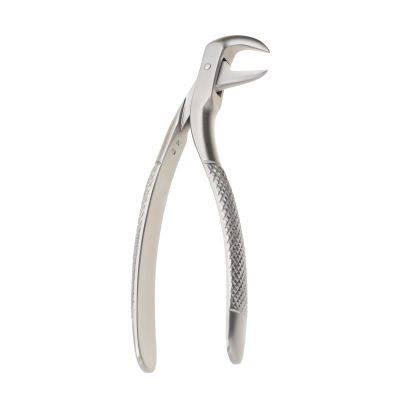
Lower Molar Extraction Forceps

Extraction forceps for mandibular molars, supplied as universal, cowhorn and third molar patterns in American and English systems. Iron Art supplies distributors, importers and private-label buyers, with dimensions, finish, marking and packaging agreed against your own drawing or reference sample.

B2B · OEM · PRIVATE LABEL · CUSTOM PACKAGING

Universal & CowhornPatterns for lower first and second molars
Third MolarSeparate lower third molar patterns by drawing or sample
American & EnglishBoth numbering systems, matched to your reference
OEM ReadyPrivate-label marking and packaging by program
Product overview

Lower molar extraction forceps: choosing the right pattern for mandibular molars.

Lower molar extraction forceps hold a mandibular molar by the crown or root so the clinician can loosen it and lift it from the socket. Lower molars typically have two roots, and cowhorn patterns end in pointed beaks that seat in the furcation between them. This page is part of our range of dental extraction forceps.

Catalogs list lower molar forceps by figure number. In American listings, lower first and second molars are covered by #15 and #17 (universal) and by #16 and #23 (cowhorn); English listings commonly use #22. Lower third molars have their own patterns, such as #222 or #79N depending on the system. Alongside these patterns, there is a general universal extraction forceps option.

Figure numbers do not carry across systems. The number 17, for example, is a lower universal molar forceps in American listings but commonly an upper molar forceps in English listings. We therefore work from your drawing, sample or reference piece rather than the number alone. The American and English comparison explains how the two systems differ.

Cowhorn beaksPointed beaks that seat in the furcation of lower molars.
Universal patternsUsed on either side of the jaw, with straight or curved handles.
Third molar patternsSeparate lower third molar forceps, often with serrated beaks.
American and EnglishBoth systems, matched to your drawing or sample.

Technical Specification

Confirmed against your approved drawing or sample before production.

ProductLower molar extraction forceps
Also listed asMandibular molar forceps, lower molars extraction forceps, lower tooth extraction forceps
Instrument typeDental extraction forceps, manual hand instrument
Pattern familiesUniversal, cowhorn and third molar
Pattern systemsAmerican and English; other patterns by drawing or sample
HandingUniversal patterns are not handed; some cowhorn designs come as a left and right pair, so confirm per pattern
Beak surfaceSmooth or serrated, confirmed per pattern
MaterialStainless steel; grade confirmed in the agreed specification
Overall lengthVaries by pattern; confirmed from your reference
Beak dimensionsConfirmed from drawing or sample before production
FinishTo be agreed, for example satin or polished
Supply conditionSterile or non-sterile, as agreed in the quotation
Packaging and markingBulk, standard or buyer-branded; logo or reference marking by agreement
Lengths and beak widths differ from one pattern to the next, so a single figure would mislead. Send a drawing or reference piece and the dimensions are confirmed in writing before production.
Pattern guide

Lower molar patterns at a glance.

These are the groupings and figure numbers commonly used across dental catalogs. They describe how catalogs organize the patterns, not clinical guidance, and exact geometry varies by maker.

Reading a lower molar listing

  • Compare figure numbers only within the same system
  • Check whether the pattern is cowhorn or universal
  • Check whether the beaks are smooth or serrated
  • Ask whether it is sold as a pair or as a single pattern
  • Request a drawing or photograph of the exact piece
If you already use a reference lower molar forceps, send it or a photograph and we match the pattern to it before quoting.

Pattern families and common references

Pattern familyTypical useCommon referencesConfirm
Universal lower molarLower first and second molars#15 (curved handles), #17 (straight handles), AmericanHandle form, beak width
CowhornLower first and second molars; pointed beaks seat in the furcation#16 and #23, AmericanBeak size, universal or handed
English patternLower molars, smooth or serrated beaks#22Beak surface, joint style
Third molarLower third molars#222 (American), #79 and #79N (English)Beak surface, reach
Figure numbers are shown as commonly listed in dental catalogs. Availability and exact geometry are confirmed against your drawing or sample.
Pattern use

Which lower molar pattern for which tooth.

The final choice is a clinical decision. This is how catalogs usually match the patterns to lower teeth.

FIRST AND SECOND MOLARS

Universal or cowhorn

Lower first and second molars are covered by universal patterns such as #15 and #17, or by cowhorn patterns such as #16 and #23, depending on the system.

DIVERGENT ROOTS

Cowhorn beaks

Cowhorn forceps end in two pointed beaks that seat in the furcation between the roots, which is why they are listed separately from universal forceps.

THIRD MOLARS

Dedicated third molar forceps

Lower third molars have their own patterns, such as #222 or #79N. Beak surface and reach are the points to confirm when ordering.

Selection comparison

Cowhorn or universal lower molar forceps?

Both cover lower first and second molars. The difference is the beak form and whether the pattern is handed.

PointCowhornUniversal
Beak formTwo pointed beaks that seat in the furcation between the rootsStandard lower molar beaks
HandingSome designs are a left and right pair; others are universalUsed on either side of the jaw
Common references#16 and #23 (American); #23 beaks are slightly larger than #16#15 and #17 (American); #22 (English)
Confirm when orderingBeak size, handing, smooth or serrated beaksHandle form (straight or curved), beak width

Dimensions, tip profiles and available patterns vary by maker. Use your approved drawing, sample or specification as the final reference.

Manufacturer & supply

Lower molar extraction forceps manufacturer for B2B buyers.

Iron Art makes and supplies dental and surgical instruments for buyers who want a defined specification, a sample to approve and repeatable supply. See our OEM and private-label services for how programs are set up.

Our process

From reference sample to approved production.

Send the pattern list, a drawing or a reference piece, and the quantities you expect to order. We review it against your requirements, confirm dimensions, finish and packaging, and agree a sample before production begins.

  • Single patterns and complete sets
  • OEM manufacturing to your drawing
  • Private-label marking and packaging
  • Wholesale and bulk quantities for distributors
What to send

Details that make a quotation accurate.

A clear inquiry avoids assumptions. A photograph, drawing or your current forceps is the fastest reference.

  • Figure number or drawing, and the system (American or English)
  • Universal, cowhorn or third molar, and handing
  • Beak surface, overall length and beak width
  • Material and finish
  • Quantity, packaging and marking
B2B workflow

Specification, sample, approval, repeat supply.

A straightforward route for buyers sourcing lower molar extraction forceps in volume.

SPECIFY

Send your brief

Pattern or drawing, system, quantities, finish and packaging.

QUOTE

Review and quotation

Specification confirmed in writing, with any OEM or marking options priced.

APPROVE

Sample

Inspect a sample against your reference before production is released.

SUPPLY

Repeat orders

Reorders follow the approved specification, including private-label packs.

Buyer FAQ

Lower molar extraction forceps: questions buyers ask.

Short answers on patterns, figure numbers, materials and supply.

What are lower molar extraction forceps used for?

They hold a mandibular molar by the crown or root so the clinician can loosen it and lift it from the socket. The beaks are shaped for lower molar anatomy, which is why catalogs list lower molar forceps separately from upper molar and anterior patterns.

What is the difference between cowhorn and universal lower molar forceps?

Cowhorn forceps end in two pointed beaks that seat in the furcation between the roots of a lower molar. Universal lower molar patterns are used on either side of the jaw and are not handed. Some cowhorn designs are also listed as a left and right pair, so confirm handing for each pattern.

Which figure numbers are used for lower molar forceps?

In American-pattern catalogs, lower first and second molars are commonly covered by #15 and #17 (universal) and #16 and #23 (cowhorn). English-pattern catalogs commonly use #22. Lower third molars have their own patterns, such as #222 in American listings and #79 or #79N in English listings. Numbers are not portable between systems: #17 is a lower molar forceps in American listings but is commonly an upper molar forceps in English listings, so match by drawing or reference piece.

How do lower molar forceps differ from upper molar forceps?

Upper molars have buccal and palatal roots, so upper molar forceps are normally made as a left and right pair. Lower molar patterns are commonly universal, although some cowhorn designs come handed. The beak and handle angles also differ to suit access to each jaw.

What is the difference between American and English pattern lower molar forceps?

American pattern forceps generally have a hinge toward the middle of the instrument. English pattern forceps have a visible screw joint set closer to the beaks, which gives more leverage for the same hand effort. Each system has its own numbering.

What material is used, and are lower molar forceps reusable?

Stainless steel is the standard option, with the exact grade and finish confirmed in the agreed specification. Tooth extraction forceps are generally classed as reusable hand instruments, and cleaning and sterilization follow the buyer's own validated reprocessing routine.

Do you supply OEM, private-label and bulk orders?

Yes. Logo marking, reference numbers and packaging can be agreed for private-label programs, and OEM work follows your drawing or approved sample. Quantities are discussed per program.

What should I include in a quotation request?

Include the figure number or drawing, the pattern system (American or English), whether you need universal, cowhorn or third molar, handing, beak surface, overall length, material and finish, quantity, packaging and marking. A photograph or your current forceps will speed up the quotation.

Need a quotation for lower molar extraction forceps?

Send the figure numbers or drawing, quantities and packaging requirements. A photograph or reference piece of your current forceps will speed things up.

Request Quote →